
What Are Reverse Osmosis Systems?
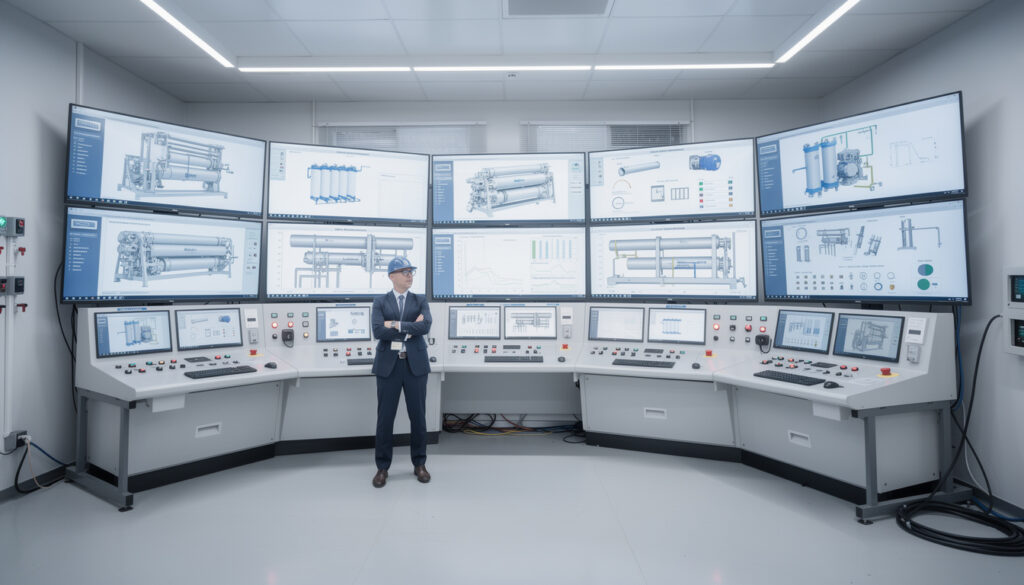
Reverse osmosis systems represent one of the most effective water purification technologies available today. These systems force water through a semi-permeable membrane under pressure, separating clean water (permeate) from a concentrated waste stream containing dissolved impurities (concentrate or brine). Unlike simple filtration that removes only larger particles, reverse osmosis technology removes dissolved solids at the molecular level, making it suitable for applications ranging from drinking water production to industrial process water.
The fundamental principle behind reverse osmosis involves overcoming natural osmotic pressure. In nature, water moves from areas of low solute concentration to high concentration through a membrane. RO systems reverse this process by applying external pressure greater than the osmotic pressure, forcing water molecules through the membrane while leaving dissolved contaminants behind. The EPA defines RO systems as membrane technologies that produce both purified permeate and concentrated reject streams requiring proper management.
Key Components and How They Function
Every reverse osmosis system contains several core components working together. Pretreatment stages remove chlorine and suspended solids that could damage membranes. High-pressure pumps provide the force needed to push water through the membrane, typically operating between 150-600 PSI depending on the application. Membrane pressure vessels house the actual RO membranes, while control systems monitor performance parameters like pressure, flow rates, and water quality.
RO in the Context of Membrane Filtration
Reverse osmosis belongs to a family of membrane filtration technologies that includes microfiltration, ultrafiltration, and nanofiltration. Each technology targets different contaminant sizes and operates at different pressures. RO provides the finest level of filtration, removing particles, molecules, and ions smaller than 0.001 micrometers.
How Do Reverse Osmosis Systems Purify Water?
The RO water purification process begins when pressurized water encounters the semi-permeable membrane. Water molecules pass through the membrane structure while dissolved salts, organics, bacteria, and other contaminants remain on the feed side. Industrial systems often employ multiple stages to achieve specific water quality targets, with each stage removing additional contaminants and concentrating the reject stream.
The Mechanism of Membrane Separation
RO membranes do not contain traditional pores like other filters. Instead, they rely on a dense polymer structure that allows water molecules to dissolve into and diffuse through the membrane material. The separation occurs through size exclusion and charge repulsion mechanisms. Cross-flow filtration design ensures that rejected contaminants flow parallel to the membrane surface, preventing excessive buildup that would reduce system performance.
What Impurities Do Reverse Osmosis Systems Remove?
Reverse osmosis systems excel at removing total dissolved solids, including sodium chloride, calcium, magnesium, sulfates, nitrates, and fluoride. These systems typically achieve 95-99% removal rates for most dissolved salts and minerals. RO technology also removes organic compounds larger than 100-200 molecular weight, including many pesticides, pharmaceuticals, and industrial chemicals.
Biological contaminants like bacteria, viruses, and cysts are effectively removed due to their size being much larger than water molecules. However, removal efficiency varies based on membrane type, operating conditions, and feed water chemistry. Newer membrane materials and designs continue to improve rejection rates for emerging contaminants of concern.
Why Are Reverse Osmosis Systems Essential for Industrial Water Filtration?
Industrial water filtration demands precise water quality to prevent equipment damage, ensure product quality, and meet regulatory requirements. Reverse osmosis systems provide the reliability and consistency that manufacturing processes require. Semiconductor fabrication facilities use RO to produce ultrapure water with resistivity exceeding 18 megohm-cm. Pharmaceutical companies rely on RO for injection water that meets stringent pharmacopeia standards.
Power plants utilize RO technology to produce high-quality boiler feed water, preventing scale formation and corrosion in expensive steam generation equipment. Food and beverage manufacturers depend on RO to remove minerals that could affect taste, appearance, or shelf life of products. For advanced water treatment solutions, companies like AQUAPHOR https://aquaphorpro.com/ Professional develop customized systems meeting specific industrial requirements.
Key Applications in Industry
Boiler feed water applications require near-complete removal of dissolved minerals to prevent scaling and maintain heat transfer efficiency. Process rinse water for electronics manufacturing demands extremely low conductivity to prevent contamination during component cleaning. Pharmaceutical water systems use multi-pass RO configurations to achieve the purity levels required for drug manufacturing and medical device production.
Understanding RO Recovery Rate and Wastewater Management
Recovery rate defines the percentage of feed water converted to product water, with typical industrial systems operating between 65-85% recovery. Higher recovery rates reduce water consumption and concentrate disposal costs but increase the risk of membrane scaling and fouling. System designers must balance recovery optimization with operational reliability and membrane lifespan considerations.
The concentrate stream contains all rejected contaminants in a smaller volume of water, requiring proper disposal or treatment. Some facilities achieve zero liquid discharge by further concentrating the reject stream through evaporation or crystallization. The EPA provides guidance on RO system efficiency and wastewater ratios for various applications.
Minimizing Wastewater in Industrial Operations
Advanced pretreatment extends membrane life and allows higher recovery rates by preventing fouling. Multi-stage RO designs use the concentrate from the first stage as feed to additional stages, maximizing overall water recovery. Some operations reuse concentrate for applications that can tolerate higher dissolved solids concentrations, such as cooling tower makeup or irrigation.
What Pretreatment is Necessary for Reverse Osmosis Systems?
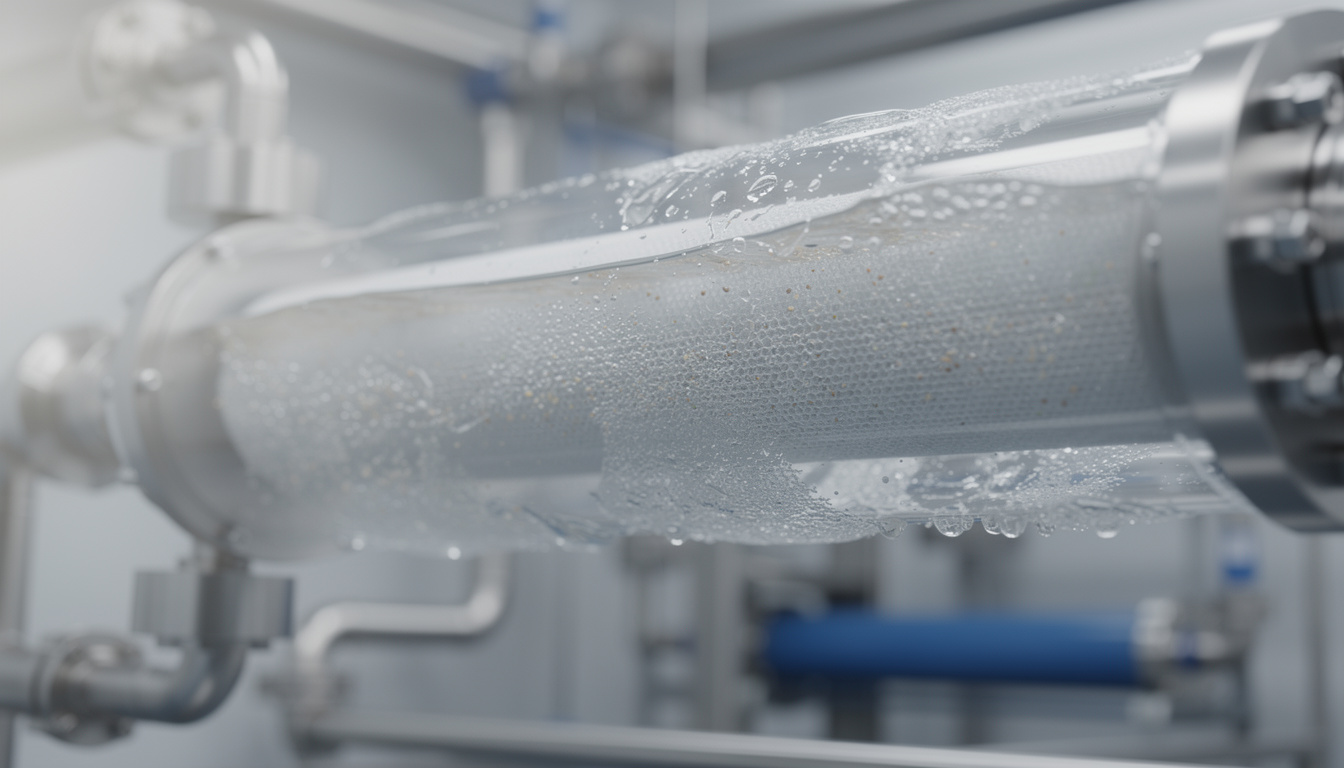
Effective pretreatment protects RO membranes from physical and chemical damage that would reduce performance and shorten service life. Suspended solids must be removed to prevent membrane plugging, typically requiring filtration to less than 1-3 microns. Chlorine and chloramines attack membrane polymers and require removal through activated carbon or chemical reducing agents.
Water hardness causes scaling on membrane surfaces, necessitating softening or antiscalant chemical addition. Biological growth can rapidly foul membranes, requiring disinfection and biofouling control measures. Iron and manganese precipitation can permanently damage membranes if not removed through oxidation and filtration processes.
Common Pretreatment Technologies
Multimedia filtration removes suspended solids using layers of anthracite, sand, and garnet media. Activated carbon adsorbs chlorine, organic compounds, and some heavy metals. Water softening exchanges calcium and magnesium ions for sodium ions, preventing scale formation. Antiscalant chemicals bind with scale-forming minerals, keeping them in solution. Cartridge filtration provides final polishing to protect membranes from any remaining particles.
Comparing Reverse Osmosis with Other Membrane Technologies
Membrane separation technologies operate across a spectrum of pore sizes and removal capabilities. Microfiltration removes particles larger than 0.1 micrometers, including bacteria and suspended solids. Ultrafiltration targets molecules and particles between 0.001-0.1 micrometers, removing viruses, proteins, and colloids. These technologies often work together as part of a comprehensive water treatment train, with each process addressing specific contaminant categories.
Modern industrial facilities increasingly employ integrated membrane systems that combine multiple technologies. The selection of appropriate membrane processes depends on feed water characteristics, product water requirements, and economic considerations. Proper system design requires understanding the capabilities and limitations of each membrane technology, supported by quality equipment for accurate system monitoring and control.
Reverse Osmosis vs. Nanofiltration
Nanofiltration operates at lower pressures than RO and selectively removes multivalent ions like calcium and magnesium while allowing monovalent ions like sodium and chloride to partially pass through. This selective permeability makes NF useful for water softening applications where complete demineralization is not required. NF membranes also remove organic compounds with molecular weights above 200-400 daltons.
Reverse Osmosis vs. Ultrafiltration
Ultrafiltration excels at removing suspended solids, bacteria, and macromolecules but cannot remove dissolved salts. UF systems operate at much lower pressures than RO and produce minimal wastewater. Many industrial systems use UF as pretreatment for RO, removing potential membrane foulants while allowing dissolved minerals to pass through for RO removal.
Maintaining Reverse Osmosis Systems
Regular maintenance ensures consistent RO system performance and maximizes membrane service life. Operators monitor key performance indicators including permeate flow rate, salt rejection percentage, and pressure differential across membranes. Declining performance indicates the need for membrane cleaning or replacement. Clean-in-Place (CIP) procedures use specialized chemicals to remove accumulated foulants without system disassembly.
Performance monitoring reveals when membranes require attention before irreversible damage occurs. Flow rate reductions, pressure increases, or salt passage increases signal developing problems. Establishing baseline performance data helps operators identify trends and schedule maintenance activities proactively rather than reactively.
Common Causes of Fouling and Scaling
Biological fouling results from bacterial growth on membrane surfaces, forming biofilms that reduce permeate flow and increase pressure requirements. Organic fouling occurs when natural organic matter or synthetic organics deposit on membranes. Particulate fouling develops from suspended solids that penetrate pretreatment systems. Scale formation happens when dissolved minerals exceed their solubility limits and precipitate on membrane surfaces.
Extending Membrane Lifespan
Proper pretreatment represents the most effective method for extending membrane life by removing potential foulants before they reach the membranes. Operating within manufacturer-recommended pressure, temperature, and pH ranges prevents premature membrane degradation. Regular cleaning using appropriate chemicals and procedures removes accumulated foulants before they cause permanent damage. Storage procedures for idle systems prevent bacterial growth and membrane dehydration.
| Membrane Technology | Pore Size | Operating Pressure | Primary Removals |
|---|---|---|---|
| Microfiltration | 0.1-10 micrometers | 5-30 PSI | Suspended solids, bacteria |
| Ultrafiltration | 0.001-0.1 micrometers | 10-100 PSI | Viruses, proteins, colloids |
| Nanofiltration | 0.0001-0.001 micrometers | 50-200 PSI | Multivalent ions, organics |
| Reverse Osmosis | 0.00001-0.0001 micrometers | 150-600 PSI | All dissolved solids, salts |
How often do RO membranes need replacement in industrial applications?
Industrial RO membranes typically last 2-5 years depending on feed water quality, pretreatment effectiveness, and operating conditions. Systems with excellent pretreatment may achieve 5-7 years of membrane life, while challenging feed water conditions may require replacement every 1-2 years. Regular performance monitoring helps determine optimal replacement timing.
What percentage of feed water becomes wastewater in RO systems?
Most industrial RO systems operate at 65-85% recovery, meaning 15-35% of feed water becomes concentrate wastewater. Point-of-use systems typically achieve 20-25% efficiency, producing 75-80% wastewater. System design, feed water quality, and recovery optimization significantly impact these ratios.
Can RO systems remove all types of contaminants from water?
RO systems remove most dissolved solids, salts, organics, bacteria, and viruses with high efficiency. However, some low molecular weight organics, dissolved gases, and certain chemicals may pass through RO membranes. Complete water treatment often requires additional technologies like activated carbon or degasification for comprehensive contaminant removal.
What factors determine the operating pressure required for RO systems?
Operating pressure depends on feed water salinity, desired recovery rate, membrane type, and temperature. Seawater desalination requires 600-900 PSI, while brackish water treatment typically operates at 150-400 PSI. Higher pressures increase energy consumption but may improve water quality and system capacity.